Air conditioning installation has become an essential aspect of modern home improvement, especially in regions where high temperatures and humidity make indoor comfort difficult to maintain. A properly installed air conditioning system provides consistent cooling, improves indoor air quality, and creates a comfortable living environment for families and occupants. Modern air conditioning systems are designed not only to regulate temperature but also to control humidity levels, filter airborne particles, and improve energy efficiency. Because of these benefits, many homeowners consider air conditioning installation a long-term investment in comfort, health, and property value.
Installing an air conditioning system involves more than simply placing a unit inside a room. It requires careful planning, technical knowledge, and professional expertise to ensure that the system functions efficiently and safely. When an air conditioning unit is installed correctly, it can maintain a stable indoor climate while consuming less energy and requiring fewer repairs. On the other hand, improper installation can lead to uneven cooling, excessive energy consumption, and frequent system breakdowns. For this reason, homeowners should understand the process of air conditioning installation and the factors that influence the performance and longevity of the system.
Understanding the Role of Air Conditioning Systems
Air conditioning systems play a crucial role in maintaining indoor comfort by regulating temperature and humidity. In hot climates, indoor spaces can quickly become uncomfortable without proper cooling. Air conditioners remove heat from the indoor air and transfer it outside, allowing cooler air to circulate throughout the building. This process not only cools the environment but also removes excess moisture, creating a healthier and more comfortable indoor atmosphere.
In addition to cooling, modern air conditioning systems also contribute to better indoor air quality. Many systems are equipped with advanced filtration technologies that remove dust, pollen, allergens, and other airborne particles. This feature is especially beneficial for individuals with allergies or respiratory conditions. By maintaining proper airflow and filtration, an air conditioning system ensures that indoor environments remain clean, fresh, and comfortable throughout the year.
Another important function of air conditioning systems is energy efficiency. Modern units are designed to use advanced technology that reduces energy consumption while maintaining optimal performance. This means homeowners can enjoy comfortable indoor temperatures without significantly increasing their electricity bills. However, achieving this level of efficiency depends heavily on professional air conditioning installation and proper system sizing.
Types of Air Conditioning Systems Available
Before installing an air conditioning system, homeowners should understand the different types of systems available on the market. Each system is designed to meet specific cooling needs, depending on the size of the property, the layout of the building, and the preferences of the occupants.
Central air conditioning systems are among the most popular choices for large homes and commercial buildings. These systems use a network of ducts to distribute cool air evenly throughout the building. Central air conditioners typically consist of an outdoor condenser unit and an indoor air handler that works together to cool the entire property. Because they provide consistent cooling across multiple rooms, central systems are ideal for homeowners who want a single solution for whole-house temperature control.
Ductless mini-split systems are another common option, particularly for homes that do not have existing ductwork. These systems consist of an outdoor compressor and one or more indoor air handling units installed in individual rooms. Ductless systems allow homeowners to control the temperature of each room independently, which can improve energy efficiency and comfort. They are also easier to install compared to central air conditioning systems.
Window air conditioners and portable units are smaller systems typically used to cool single rooms or small spaces. Although these units are more affordable and easier to install, they are generally less efficient for cooling large homes. They are often used as temporary solutions or supplemental cooling systems in areas where central air conditioning is not available.
Planning the Air Conditioning Installation Process
Effective air conditioning installation begins with proper planning and evaluation of the property. One of the most important factors in this process is determining the correct size and capacity of the air conditioning unit. If the system is too small, it may struggle to cool the space efficiently. If it is too large, it may cycle on and off frequently, wasting energy and reducing system lifespan.
Professional technicians typically perform a load calculation to determine the appropriate cooling capacity for the property. This calculation takes into account factors such as the size of the home, insulation levels, number of windows, ceiling height, and local climate conditions. By evaluating these factors, technicians can recommend a system that provides optimal performance and energy efficiency.
Another important step in planning air conditioning installation is evaluating the existing infrastructure of the property. Homes with existing ductwork may require inspection and repairs to ensure proper airflow and insulation. Electrical systems must also be capable of supporting the power requirements of the new air conditioning unit. In some cases, electrical upgrades may be necessary to ensure safe and reliable operation.
Homeowners should also consider the location of both indoor and outdoor components of the system. Outdoor condenser units must be placed in well-ventilated areas where airflow is not obstructed by walls, fences, or landscaping. Proper placement ensures efficient heat transfer and prevents the system from overheating during operation.
The Air Conditioning Installation Process
The process of installing an air conditioning system involves several technical steps that must be performed with precision and care. First, technicians assess the installation site and prepare the necessary equipment and materials. The outdoor condenser unit is typically placed on a stable concrete pad or mounting bracket to ensure stability and proper airflow.
Next, the indoor components of the system are installed. For central air conditioning systems, this involves connecting the evaporator coil to the existing furnace or air handler. For ductless systems, indoor units are mounted on walls or ceilings in the designated rooms. Proper positioning of these units ensures even air distribution and efficient cooling.
After positioning the main components, technicians install refrigerant lines, electrical connections, and drainage systems. Refrigerant lines allow the system to transfer heat between indoor and outdoor units, while electrical wiring ensures that the system operates safely and efficiently. Drainage systems remove condensation produced during the cooling process, preventing water buildup and potential damage.
Once all components are connected, the system is tested to verify that it is functioning correctly. Technicians check refrigerant levels, airflow, thermostat operation, and overall system performance. Adjustments may be made to ensure that the system operates at peak efficiency before the installation is considered complete.
Benefits of Professional Air Conditioning Installation
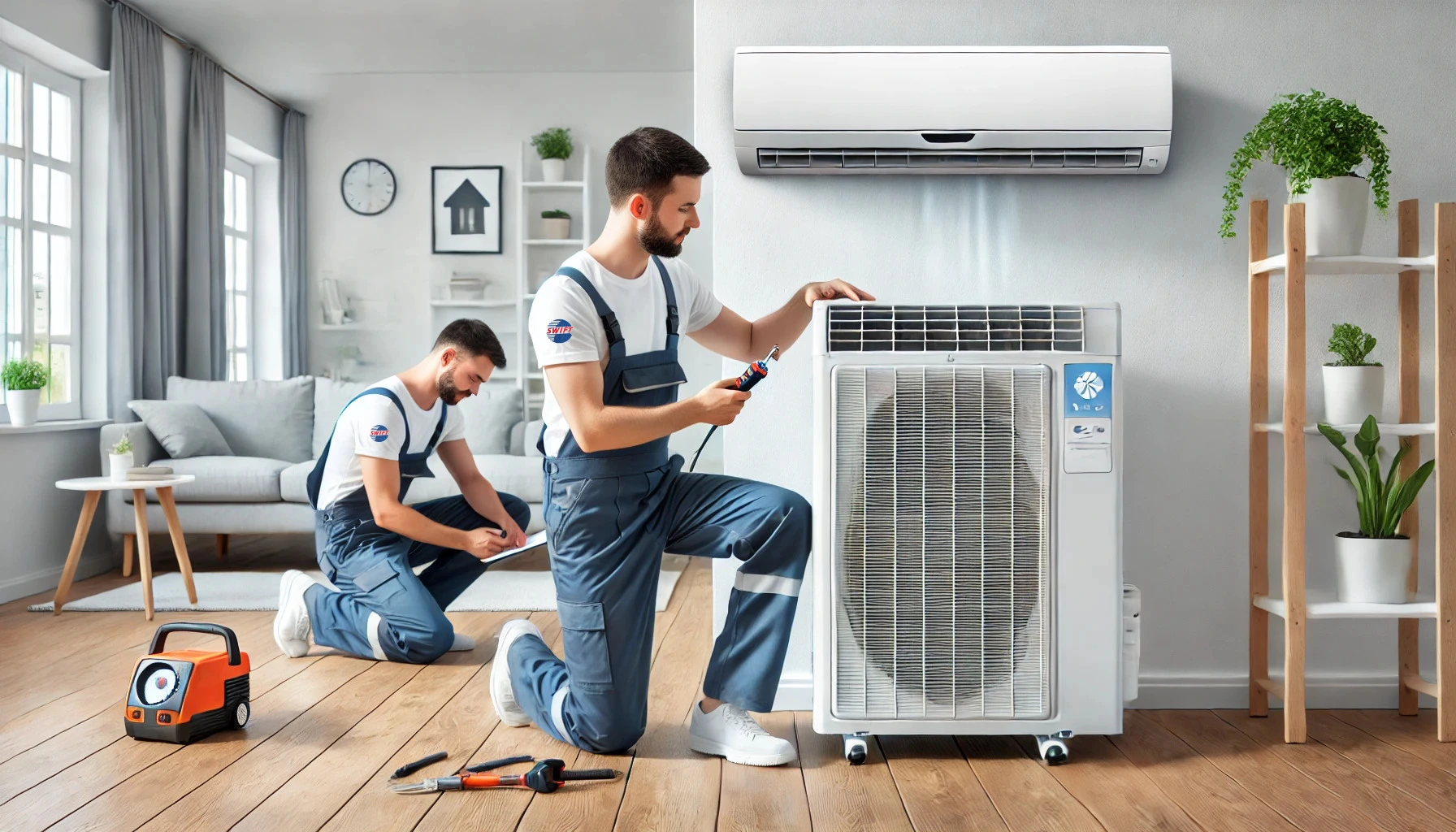
Hiring professional technicians for air conditioning installation offers numerous advantages compared to attempting a do-it-yourself approach. Professional installers have the training, tools, and experience required to handle complex installation procedures safely and efficiently. They understand the technical requirements of different air conditioning systems and can ensure that all components are installed correctly.
Professional installation also improves the efficiency and lifespan of the air conditioning unit. When systems are properly installed, they experience less strain during operation, reducing the likelihood of breakdowns and costly repairs. Additionally, many manufacturers require professional installation to maintain warranty coverage, making it essential for homeowners who want to protect their investment.
Another benefit of professional installation is compliance with safety regulations and building codes. Air conditioning systems involve electrical connections, refrigerants, and mechanical components that must meet specific safety standards. Certified technicians ensure that installations comply with these regulations, protecting both the property and its occupants.
Maintaining Your Air Conditioning System After Installation
After air conditioning installation is completed, regular maintenance is necessary to ensure long-term performance and reliability. Routine tasks such as cleaning or replacing air filters, inspecting ductwork, and checking refrigerant levels help maintain system efficiency and prevent potential issues. Homeowners should schedule professional inspections at least once a year to ensure that the system remains in optimal condition.
Regular maintenance not only extends the lifespan of the air conditioning unit but also helps maintain energy efficiency. Dirty filters, clogged coils, or blocked vents can reduce airflow and force the system to work harder than necessary. Addressing these issues promptly ensures that the system continues to operate efficiently and provides consistent cooling.
Homeowners should also monitor thermostat settings and ensure that vents and registers remain unobstructed by furniture or household items. Maintaining proper airflow throughout the home allows the air conditioning system to distribute cool air evenly and maintain comfortable indoor temperatures.
Conclusion
Air conditioning installation is an important investment that significantly improves indoor comfort, air quality, and energy efficiency. By selecting the right system, planning the installation carefully, and hiring experienced professionals, homeowners can ensure that their cooling system performs effectively for many years. Modern air conditioning systems provide reliable temperature control, improved air filtration, and enhanced energy efficiency, making them an essential component of comfortable living environments.
Proper installation and ongoing maintenance are key factors in maximizing the performance and lifespan of an air conditioning system. When installed and maintained correctly, air conditioners provide consistent cooling, reduce energy costs, and create a healthier indoor environment for residents. For homeowners seeking to enhance comfort and protect their property value, professional air conditioning installation remains one of the most beneficial improvements they can make to their home.