A well-functioning air conditioning system is essential for maintaining comfort, air quality, and a healthy indoor environment, particularly during the warmer months when temperatures rise and humidity becomes a concern. Over time, even the most reliable air conditioning units lose efficiency due to normal wear and tear, outdated technology, or environmental factors that affect performance. When an air conditioner struggles to cool your home adequately, requires frequent repairs, or operates at high energy costs, it may be time to consider a complete AC replacement. Replacing an older system not only restores comfort but also ensures optimal energy efficiency, improved air quality, and long-term reliability, making it a worthwhile investment for homeowners looking to maintain a safe and comfortable living environment.
Understanding the signs that an AC system is failing, evaluating options for replacement, and selecting a properly sized, high-efficiency unit are essential steps to ensure that your new system performs optimally. Choosing the right system goes beyond simply picking a brand or model; it requires careful consideration of factors such as home size, insulation, ductwork, energy efficiency ratings, and advanced features that can enhance comfort and reduce operational costs. Engaging a qualified HVAC professional to guide the replacement process guarantees that the installation meets manufacturer specifications and local building codes, which is critical for achieving maximum performance, longevity, and energy savings.
Recognizing the Need for AC Replacement
Determining when to replace an air conditioning system is an essential part of proactive home management, as delaying replacement can lead to costly repairs, inefficient cooling, and potential damage to other household systems. Several key indicators suggest that your current AC unit may no longer meet your needs. Frequent breakdowns requiring costly repairs or replacement parts often signal that a system has reached the end of its practical lifespan. Units that fail to maintain consistent temperatures or create uneven cooling in different rooms indicate potential undersizing or internal component failure. Similarly, a noticeable increase in energy bills without changes in usage patterns is a common sign that the system is operating inefficiently due to age or mechanical decline. Additionally, unusual noises such as grinding, rattling, or buzzing, as well as persistent odors emanating from the system, can indicate mechanical or mold-related issues that warrant replacement. The age of the system itself is a major consideration; most air conditioners have a functional lifespan of 10 to 15 years, after which replacement is often more cost-effective than continued repairs. Identifying these warning signs early allows homeowners to plan for replacement strategically, ensuring uninterrupted comfort and avoiding emergency situations during extreme weather conditions.
Selecting the Right AC System for Your Home
Choosing an appropriate system is the cornerstone of a successful AC replacement, and several factors must be evaluated to ensure optimal performance and long-term value. First, the type of system must match the specific needs of the home. Options include central air conditioning systems, ductless mini-splits, heat pumps, and packaged units, each with advantages depending on home layout, existing infrastructure, and climate conditions. Central air systems are ideal for homes with preexisting ductwork, providing uniform cooling throughout the property, whereas ductless mini-splits are suitable for homes without ducts or for supplemental cooling in specific areas.
Proper sizing of the system is equally critical, as a unit that is too large may cycle on and off frequently, reducing efficiency and comfort, while an undersized system may struggle to maintain target temperatures. HVAC professionals use detailed load calculations that account for factors such as square footage, ceiling height, insulation quality, window placement, and local climate conditions to determine the ideal system capacity. Energy efficiency is another essential consideration, with modern units offering higher SEER (Seasonal Energy Efficiency Ratio) ratings that translate into lower operational costs and reduced environmental impact. Beyond performance metrics, features such as variable-speed compressors, smart thermostats, humidity control, and zoning capabilities provide additional comfort and allow homeowners to customize their indoor environment. Choosing the right system involves balancing immediate comfort, long-term efficiency, and the potential for cost savings over the life of the unit.
The AC Replacement Process
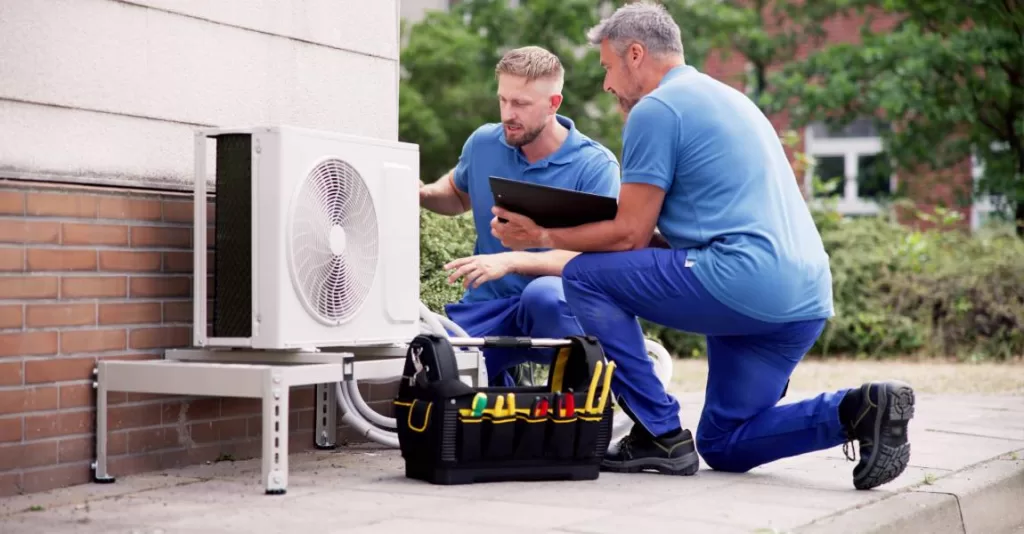
The process of AC replacement is complex and requires professional expertise to ensure that all components function seamlessly together. It begins with a comprehensive evaluation of the home and existing system, including an assessment of current ductwork, cooling requirements, and any structural considerations that may affect installation. A licensed HVAC technician will use this information to recommend a system that meets performance, efficiency, and comfort needs.
Once a new system has been selected, the old unit is carefully removed, including the condenser, evaporator coil, refrigerant lines, and associated electrical components. Proper disposal or recycling of the removed equipment ensures compliance with environmental regulations and safety standards. Installation of the new unit follows, requiring meticulous attention to detail to connect refrigerant lines, electrical wiring, ductwork, and the thermostat. Proper alignment and calibration are essential to prevent leaks, ensure optimal airflow, and maximize efficiency. After installation, technicians conduct thorough testing to verify that airflow, refrigerant pressure, electrical components, and temperature output meet manufacturer specifications. Finally, homeowners receive instruction on operating the system, adjusting thermostats, and performing routine maintenance to maintain efficiency and prolong the lifespan of the unit.
Benefits of Replacing an Old AC System
Investing in ac replacement offers multiple benefits that extend beyond immediate comfort, impacting energy efficiency, reliability, and long-term savings. A new system provides consistent cooling across all areas of the home, minimizing hot and cold spots and maintaining humidity levels at comfortable levels. Modern units are engineered to be more energy-efficient, often reducing monthly utility bills and qualifying homeowners for rebates or tax incentives. Reliability is another major advantage, as a new system minimizes the risk of unexpected breakdowns, repairs, and associated disruptions. Advanced features available in modern units, including programmable thermostats, variable-speed compressors, and improved filtration, enhance both comfort and indoor air quality. Additionally, environmentally friendly refrigerants used in newer systems reduce greenhouse gas emissions, contributing to a smaller carbon footprint while maintaining high performance. Over time, these benefits combine to make AC replacement a cost-effective and sustainable solution for maintaining home comfort.
Maintenance After AC Replacement
Even after installing a new system, proper maintenance is essential to ensure that the unit continues to operate efficiently and provide reliable cooling. Regularly replacing or cleaning air filters helps maintain airflow and prevents strain on the system. Ductwork should be inspected periodically to ensure there are no leaks or blockages that could reduce efficiency. Scheduling annual professional maintenance allows technicians to inspect refrigerant levels, test electrical connections, and perform preventative adjustments that prevent small issues from becoming major problems. Homeowners should monitor system performance, listening for unusual noises, watching for uneven cooling, and observing energy consumption for any irregularities. Following these maintenance practices ensures that the new AC system delivers peak performance, longevity, and energy savings, maximizing the value of the investment.
Conclusion
A reliable air conditioning system is vital for maintaining comfort, indoor air quality, and energy efficiency in the home. When an existing unit becomes inefficient, unreliable, or outdated, ac replacement offers a practical solution that addresses these challenges while enhancing overall performance. Selecting the right system, ensuring proper installation, and committing to ongoing maintenance are critical steps for achieving optimal results. Modern units provide advanced features, improved energy efficiency, and enhanced reliability, making them a valuable investment for homeowners seeking long-term comfort and cost savings. By recognizing the signs of system deterioration, working with a qualified HVAC professional, and implementing proper care practices, homeowners can enjoy a cool, comfortable living environment that meets their needs for years to come.