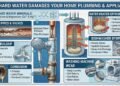
Residential plumbing represents a critical, high-cost investment within any property. Yet homeowners frequently overlook the unseen chemistry of the liquid circulating through their domestic pipes. Hard water containing dense concentrations of dissolved rock minerals, primarily calcium carbonate and magnesium sulfate, initiates destructive processes inside metal and plastic lines. Over years of steady operation, these dissolved solids drop out of solution, coating heating elements, choking water flow, and causing sudden appliance failures. Understanding how mineral-heavy water impacts household infrastructure allows you to protect valuable machinery and maintain plumbing efficiency.
1. The Chemistry of Mineral Limescale Formation
Scale formation follows clear physical laws that govern temperature, fluid pressure, and chemical saturation.
How Thermal Energy Drives Precipitation
When mineral-laden water heats up inside home boilers, water heaters, or dishwashers, dissolved calcium compounds crystallize into solid calcite. This hard precipitate clings securely to interior pipes and heating coils, forming an insulating crust known as limescale.
Progressive Flow Restriction and Pressure Drops
As scale layers build inward along pipe interiors, the usable diameter shrinks. Water pressure gradually declines throughout upper-story bathrooms, garden hoses, and kitchen fixtures. This constriction forces whole municipal delivery systems to strain against narrowed interior passages.
2. Devastating Effects on Domestic Water Heaters
Water heaters experience the brunt of mineral-related degradation due to constant exposure to high temperatures.
Drastic Losses in Energy Efficiency
Limescale acts as a thermal insulator that resists rapid heat transfer. A quarter-inch buildup of calcified rock along an electric element or gas tank base forces heating equipment to consume up to twenty-five percent more energy simply to warm the surrounding fluid.
Tank Overheating and Premature Ruptures
Trapped heat beneath thick sediment beds causes localized metal stress along the lower tank lining. Over time, thermal fatigue fractures protective glass coatings, exposing structural steel to rapid internal rust, which ultimately leads to tank punctures and water leaks.
3. Destruction of Modern Washers and Dishwashers
Modern laundry machines and dishwashers feature complex solenoid valves, small fluid lines, and precision sprayers that are sensitive to mineral deposits.
Solenoid Valve Failures and Unwanted Leaks
Microscopic mineral crystals wedge between rubber valve seals and mechanical seats. When valves fail to close fully, machines face recurring water leaks, sudden basement floods, and error codes that require expensive technician visits.
Clogged Internal Jets and Inefficient Cleaning Cycles
Dishwasher wash arms rely on balanced spray nozzles to spin and clear soiled dinnerware. Calcified deposits choke these narrow openings, dropping water pressure and leaving dishes coated in grit and detergent scum. For residences situated near mineral-rich mountain water sheds, outfitting the home with an efficient water softener in Utah neutralizes dissolved minerals before water enters major appliances, preserving washing hardware and eliminating soap residue.
4. Faucet Degradation and Fixture Corrosion
Exposed plumbing fixtures in kitchens and bathrooms demonstrate the visible exterior costs of mineral accumulation.
Destruction of Ceramic Disc Cartridges
Modern quarter-turn mixing faucets utilize polished ceramic discs to control fluid volumes. Sharp, microscopic calcium flakes grinding between moving ceramic plates create channels that cause chronic dripping and require internal replacement.
Aerator Choking and Erratic Spray Patterns
Mesh aerators located on spout tips capture dislodged mineral fragments. Within months, smooth aerated streams degenerate into chaotic sideways sprays that splash countertops and stain chrome plating.
5. Preventative Strategies for Whole-Home Protection
Mitigating hard water damage requires deliberate mechanical interventions matched to water chemistry.
Regular Chemical Descaling and Flushing
Homeowners should drain and flush tank-style water heaters annually to clear accumulating mineral slurry. Running diluted food-grade citric acid through tankless heating coils helps dissolve stubborn calcite coatings.
Upgrading to Corrosion-Resistant Piping
When modernizing worn plumbing systems, swapping out galvanized iron lines for cross-linked polyethylene tubing helps minimize internal friction. While smooth plastic pipes still suffer scale deposits on metallic joints, they resist corrosion better than older iron systems.
Installing Targeted Pre-Filtration Units
Placing high-capacity sediment filters at the main service entry point captures suspended grit before it can damage pressure-reducing valves, municipal meters, and downstream domestic plumbing systems.