A home should be the one place where every member of the family can relax without worry. Yet many everyday health risks go unnoticed because they build up slowly, both within the walls and across the yard. Dust settles in corners, damp patches form in quiet rooms, and outdoor spaces can become uncomfortable or even unsafe when small problems are left alone.
Creating a safer living environment does not require a major renovation. It starts with understanding where the risks come from and taking steady, practical steps to reduce them. With a little attention, a household can feel healthier, calmer, and more welcoming for everyone who spends time there.
Making Outdoor Time Safer for the Whole Family
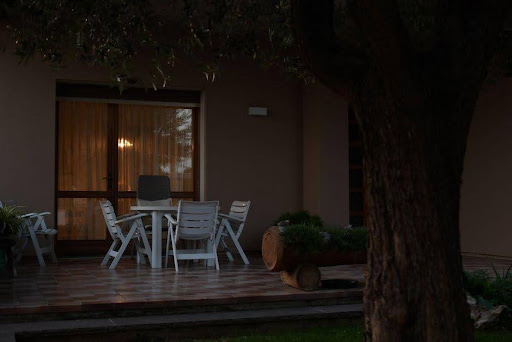
Time spent in the yard is one of the simple pleasures of home life, from evening meals on the patio to children playing on the lawn. In warm and humid weather, however, mosquitoes can quickly take over these spaces, leaving itchy bites and raising concerns about the illnesses they are known to carry.
Many families prefer a gentle treatment that keeps these insects away without spraying harsh chemicals around the places where children and pets play. For a dependable option, homeowners can hire a company that offers all-natural mosquito control services delivered automatically through the existing sprinkler system, with full lawn coverage and a formula that is safe for people and pets. With that worry handled, the yard can go back to being a relaxed space where the family enjoys fresh air together.
Improving the Air Quality Inside Your Home
The air inside a house can hold more irritants than most people realize. Dust, pet hair, pollen carried in on clothing, and fumes from cooking all linger when rooms are closed up for long periods. Over time, this can lead to sneezing, headaches, and breathing trouble, especially for children, older relatives, and anyone with allergies.
Simple habits make a real difference. Opening windows on mild days lets stale air escape and fresh air flow through. Air conditioning filters should be checked and replaced on schedule, since a clogged filter simply pushes dust back into the room. Vacuuming rugs and washing bedding every week removes much of what settles in soft surfaces. Using the exhaust fan while cooking also keeps smoke and grease from spreading through the rest of the house.
Preventing Damp and Mold in Living Spaces
Moisture is one of the quiet threats in any home. Bathrooms, laundry areas, and spaces under sinks often stay damp, and that dampness gives mold the conditions it needs to grow. Mold can trigger coughing, itchy eyes, and skin irritation, and it often spreads behind walls or under flooring before anyone notices.
The best defense is keeping indoor spaces dry. Running a fan during and after showers helps clear steam quickly. Small leaks under sinks or around appliances should be repaired as soon as they appear rather than left for later. A musty smell is often the first warning sign, so it is worth tracing that odor to its source. Keeping furniture slightly away from outside walls also allows air to move freely and stops moisture from collecting in hidden corners.
Storing Household Chemicals Safely
Most homes contain cleaning products, paints, and garden supplies that can be harmful if handled carelessly. Children are naturally curious, and pets will investigate almost anything left within reach. Accidental swallowing, skin burns, and harmful fumes are all real risks when these products are stored without much thought.
Every product should stay in its original container with the label clearly visible, so there is never confusion about what is inside. High shelves or locked cabinets keep dangerous items out of small hands. Different cleaning products should never be mixed, because some combinations release fumes that are harmful to breathe. Old or unused products are best taken to a local drop-off point instead of being poured down the drain or left in the garage for years.
Reducing Trip and Fall Hazards Around the Property
Falls are among the most common causes of injury at home, and many of them are easy to prevent. Loose rugs, cluttered hallways, poorly lit stairs, and uneven garden paths all create chances for someone to lose their footing. The risk is greater for young children and older family members, who may not recover as quickly from a bad fall.
Inside, rugs should have grip pads underneath, and walkways should be kept clear of shoes, toys, and cords. Stairs need sturdy handrails and bright lighting at both the top and bottom. Outside, cracked walkways and raised pavers should be repaired, and garden hoses and tools should be put away after use. Good outdoor lighting along paths and entryways also makes it much safer to move around the property after dark.
Protection From Sun and Heat in the Yard
Long hours outdoors bring plenty of fresh air, but strong sun and high temperatures carry their own health risks. Sunburn, dehydration, and heat exhaustion can affect anyone, and young children and older relatives often feel the effects first. These problems tend to build quietly during yard work, outdoor games, or long afternoons on the patio.
A few sensible habits keep outdoor time comfortable. Shaded seating areas, whether from trees, umbrellas, or a covered patio, give everyone a place to cool down. Keeping cold water within easy reach encourages family members to drink regularly rather than waiting until they feel thirsty. Heavy chores such as mowing or gardening are best saved for early morning or evening, when the air is cooler. Sunscreen, hats, and light clothing also go a long way toward protecting skin, so the family can enjoy the yard without paying for it later.